
The journey of casinos tracing their historical evolution
The Origins of Gambling
The history of gambling dates back thousands of years, with evidence found in ancient civilizations. The earliest records suggest that gambling activities were prevalent in China around 2300 BC, where the first known lottery game was played. Similarly, the ancient Egyptians and Romans engaged in various forms of gambling, often using dice and betting on games of chance. These early activities laid the foundation for what would evolve into modern casino sites.
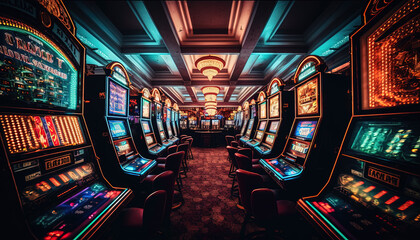
The psychological appeal of gambling is rooted in the excitement and thrill that accompanies the risk of losing or winning. For many, it serves as a form of entertainment that stimulates the mind and emotions, leading to a continued interest in the activity throughout history.
The Rise of Formal Casinos
The first official casino, known as the “Casino di Venezia,” was established in Venice in 1638, marking a significant milestone in the evolution of gambling establishments. This venue set the standard for future casinos, which began to emerge across Europe, offering a variety of games such as baccarat, roulette, and poker. The establishment of formal casinos helped to legitimize gambling, attracting a broader audience and creating a thriving industry.
As casinos grew in popularity, they became associated with luxury and sophistication, attracting not only gamblers but also socialites and the elite. The atmosphere of these venues was meticulously curated to enhance the psychological effects of gambling, making them appealing to patrons seeking both entertainment and a chance at fortune.
The Expansion of Casinos in America
The evolution of casinos took a dramatic turn in the United States during the early 20th century. The legalization of gambling in Nevada in 1931 led to the birth of Las Vegas, which quickly transformed into a bustling hub for gambling and entertainment. Iconic casinos like The Flamingo and The Sands emerged, capturing the imagination of both locals and tourists.
The influence of these casinos extended beyond mere gambling. They incorporated extravagant shows, fine dining, and luxurious accommodations, further enhancing the allure of the gambling experience. This expansion into a multifaceted entertainment industry highlighted the psychological factors driving patrons to partake in gambling activities.
The Digital Transformation of Gambling
With the advent of the internet in the late 20th century, the gambling industry underwent a revolutionary change. Online casinos emerged, making it possible for players to engage in gambling activities from the comfort of their homes. This shift not only increased accessibility but also introduced new forms of gaming, such as live dealer games and mobile betting.
The psychological effects of online gambling differ from traditional casinos, as players often experience a sense of anonymity and comfort while participating. However, this also raises concerns about addiction and responsible gambling, prompting the industry to implement measures to promote safe play.

Understanding the Current Landscape of Casinos
The modern landscape of casinos is diverse, with brick-and-mortar establishments coexisting with online platforms. This dynamic industry continues to adapt to technological advancements and changing consumer preferences. Today, casinos prioritize creating immersive experiences that engage patrons on multiple levels, blending gaming with entertainment, dining, and social interaction.
As the industry evolves, the focus remains on understanding the psychological effects of gambling, both in traditional settings and online. The aim is to foster a responsible and enjoyable environment for all participants, ensuring that the legacy of casinos remains vibrant and relevant for future generations.
